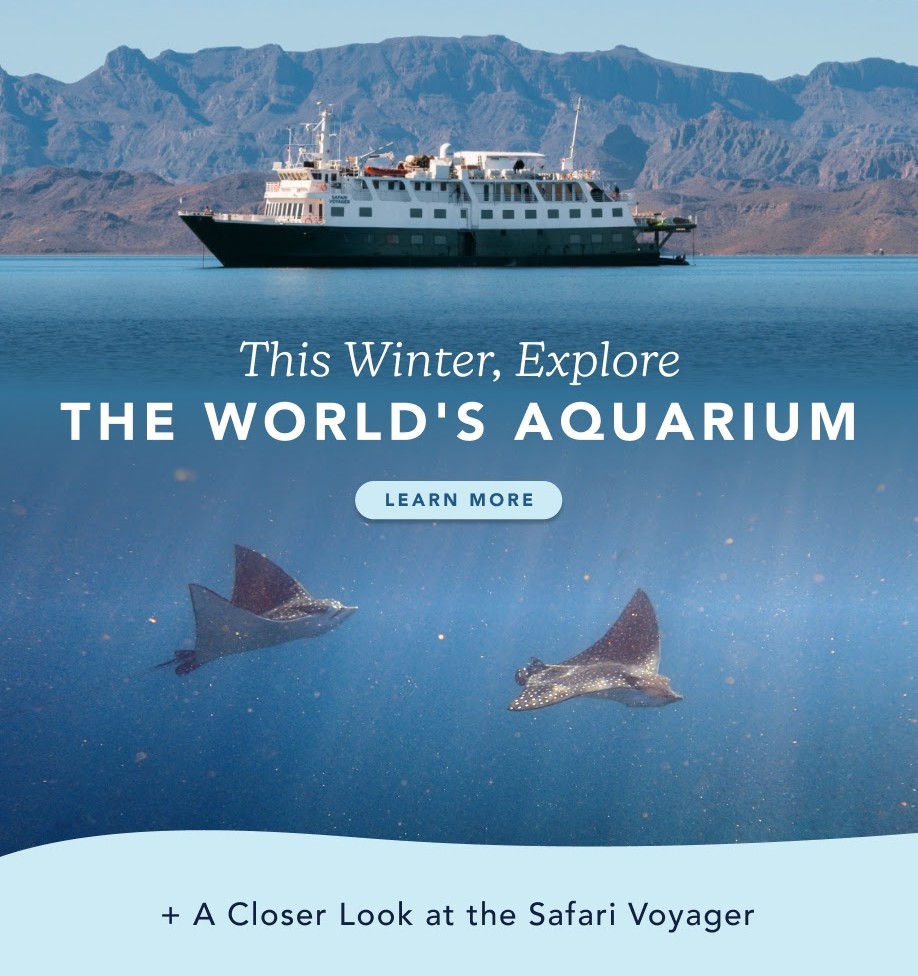
Meet the Safari Voyager, your home base for exploring some of our favorite warm weather destinations, including Mexico, Costa Rica, and Panama. It’s where you’ll fuel up for the day’s excursions, swap stories over farm-to-table meals, and unwind with a craft cocktail after a day spent adventuring.
From January through May, the Safari Voyager explores the Gulf of California ontwo incredible itineraries. Continue reading to learn more about the ship and why the Sea of Cortez is called the “World’s Aquarium.”
The Ship at a Glance
- Guests: 66
- Cabins: 34
- Guest-to-crew ratio: 2.2 to 1
- Length: 174′
- Crew: USA, Costa Rica, and Mexico

Comfortable Cabins
Choose between seven different cabin types for a comfortable place to call home on the ship.

All-Inclusive Dining
Enjoy farm-to-table meals with ingredients sourced from local farms.

Unlimited Bar
Our bartenders are available at any time; craft cocktails, beer, wines, and more are all included.

Deck Spaces
Hang out on any of the four decks for wildlife viewing or just to take in the Baja sunsets.
Why the Sea of Cortez Is Called the “World’s Aquarium”
When people think of Mexico, they might picture crowded resorts and a battle for the best pool chair. But Mexico has another side that’s teeming with life.
The Sea of Cortez, also known as the Gulf of California, was dubbed “the Aquarium of the World” by oceanographer Jacques Cousteau. Stretching between the Baja California Peninsula and mainland Mexico, this extraordinary body of water is home to one-third of the planet’s marine species and boasts some of the highest biodiversity in the world, including over 900 species of fish, 31 species of cetaceans, many species of seabirds, and 32 species of marine mammals.
For those who would prefer to spend their vacation surrounded by marine life than rather crowds of people, the Sea of Cortez is impossible to beat. You can get right into the action, with opportunities to snorkel, kayak, paddle, whale watch, and more. Continue reading to learn more about what marine life you might encounter on your Mexico adventure cruise.
Whales
The Sea of Cortez is home to 31 species of cetaceans, including both whales and dolphins. Some are more commonly spotted than others, but you never quite know what might surface alongside the Safari Voyager. Keep your eyes on the water and you might catch a humpback breaching or a blue whale cruising with a 25-foot-long baby in tow (yes, baby blue whales are already enormous).


Dolphins & Porpoises
One of the highlights of cruising the Sea of Cortez is the dolphins, which are about as close to a guaranteed encounter as you can get. There are 21 species of dolphins and porpoises documented in the region, including common dolphins, bottlenose dolphins, spinner dolphins, Risso’s dolphins, and more. But the common dolphin is, well, the most common sighting (no pun intended). They can travel in superpods numbering in the hundreds, and they’re often curious about boats. You may see them racing alongside the ship or riding the bow waves just for fun. When you’re out on deck scanning the horizon, keep an eye out for what looks like splashing or a patch of unusually busy water; it could be a pod.


Sea Lions

Sea lions are not exactly known for being shy. In the Sea of Cortez, you may see them barking at each other, launching themselves out of the water, or popping up beside the skiff to check us out. They are social, curious animals, and the juveniles in particular seem to have no problem getting up close and personal with humans.
One of the highlights of our Mexico itineraries is snorkeling with California sea lions at Los Islotes, a pair of rocky islets north of Isla Espiritu Santo. The colony is home to an estimated 800 sea lions and is the only colony in the Sea of Cortez that has increased in numbers in recent years.
Rays & Sharks


The Sea of Cortez is home to some impressive sharks and rays. Most notable is the mobula ray, also known as the “flying ray” or “devil ray.” These rays are known for their acrobatic displays, launching themselves up to nine feet out of the water. Scientists have several theories about why they do it, from removing parasites and communicating to mating displays, play, and avoiding predators. Whatever the reason, watching them launch out of the water is quite a sight. The Sea of Cortez is considered one of the best places in the world to observe these incredible creatures, and we often see them on our Mexico cruises.
Seabirds
The Sea of Cortez is full of seabirds, and two of the most fun to spot are the blue-footed booby and the magnificent frigatebird. Blue-footed boobies are hard to miss with their bright blue feet. Watch them dive headfirst into the water to catch fish or spot them gathered on rocky islands along the coast. Magnificent frigatebirds are just as eye-catching, with long, angular wings that let them glide effortlessly overhead for hours.


Mexico 2027 & 2028 Offers
Save $500 per person on all 2027 & 2028 sailings.
Expires: December 31.
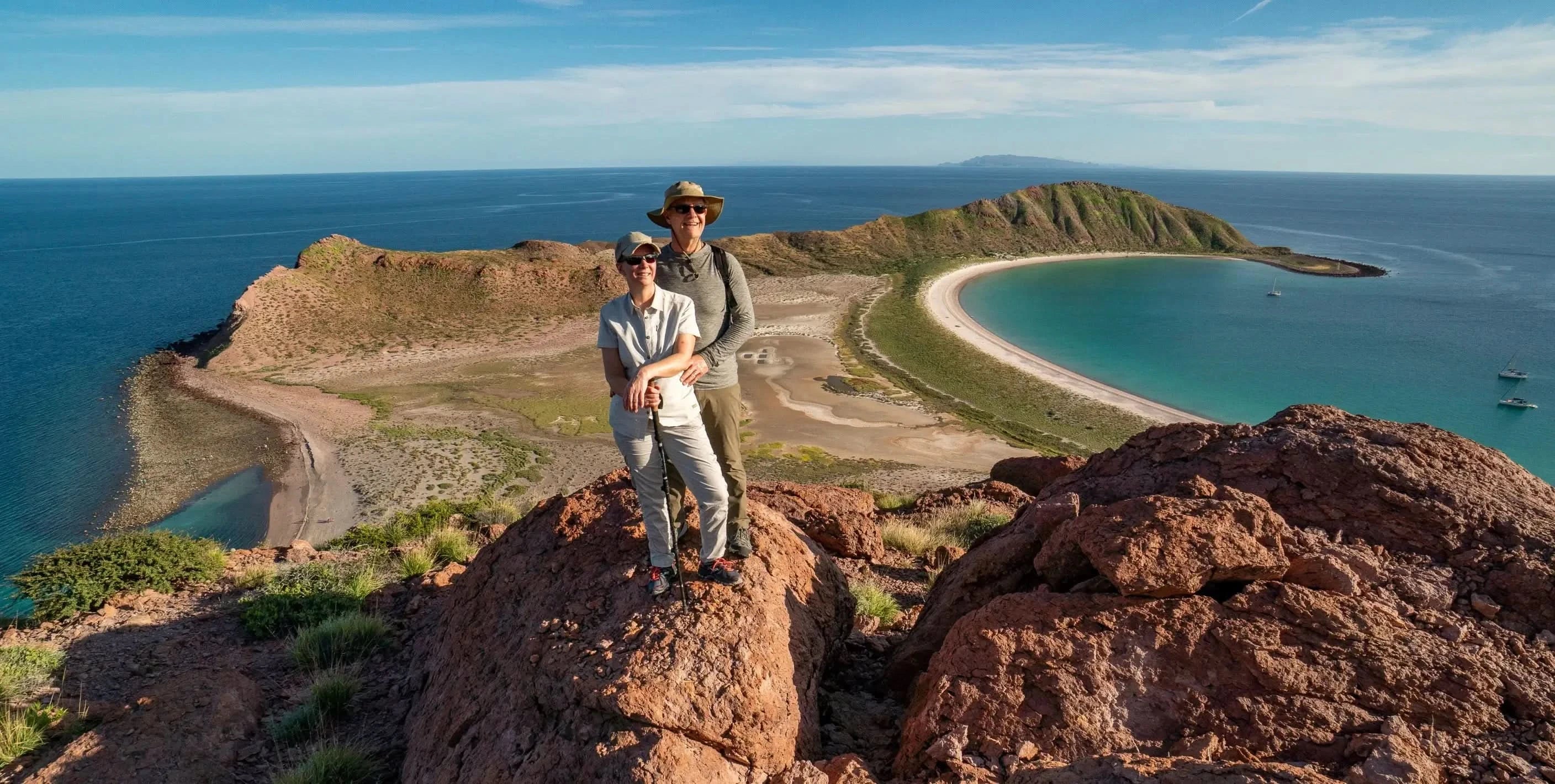
Baja California’s Whales & Sealife
Route: Roundtrip San Jose del Cabo
Ship: Safari Voyager
Duration: 8 Nights
Price From: $7,400 / Person
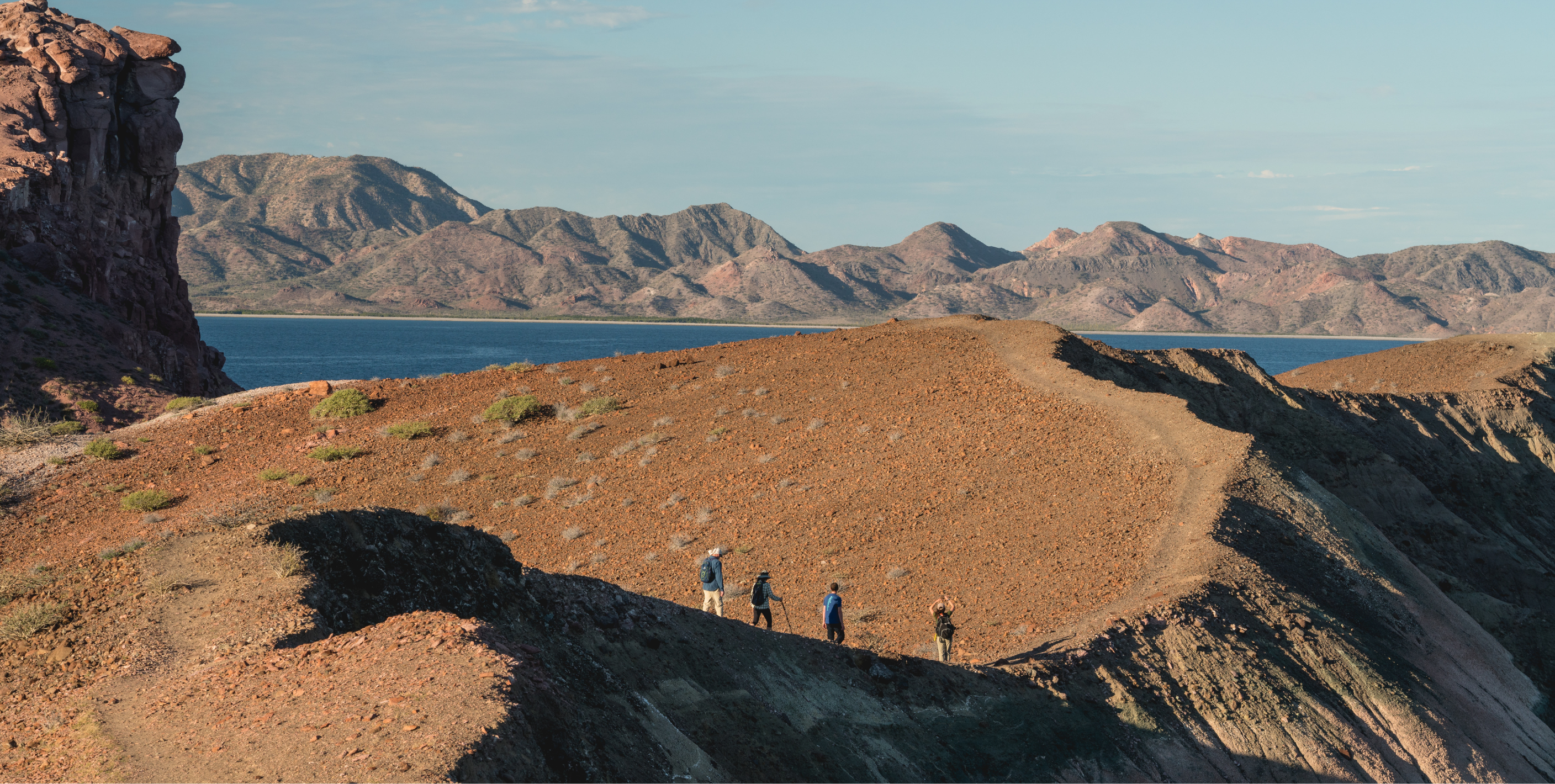
In Steinbeck’s Wake: An Epic Voyage Through the Sea of Cortez
Route: Roundtrip San Jose del Cabo
Ship: Safari Voyager
Duration: 11 Nights
Price From: $8,400 / Person
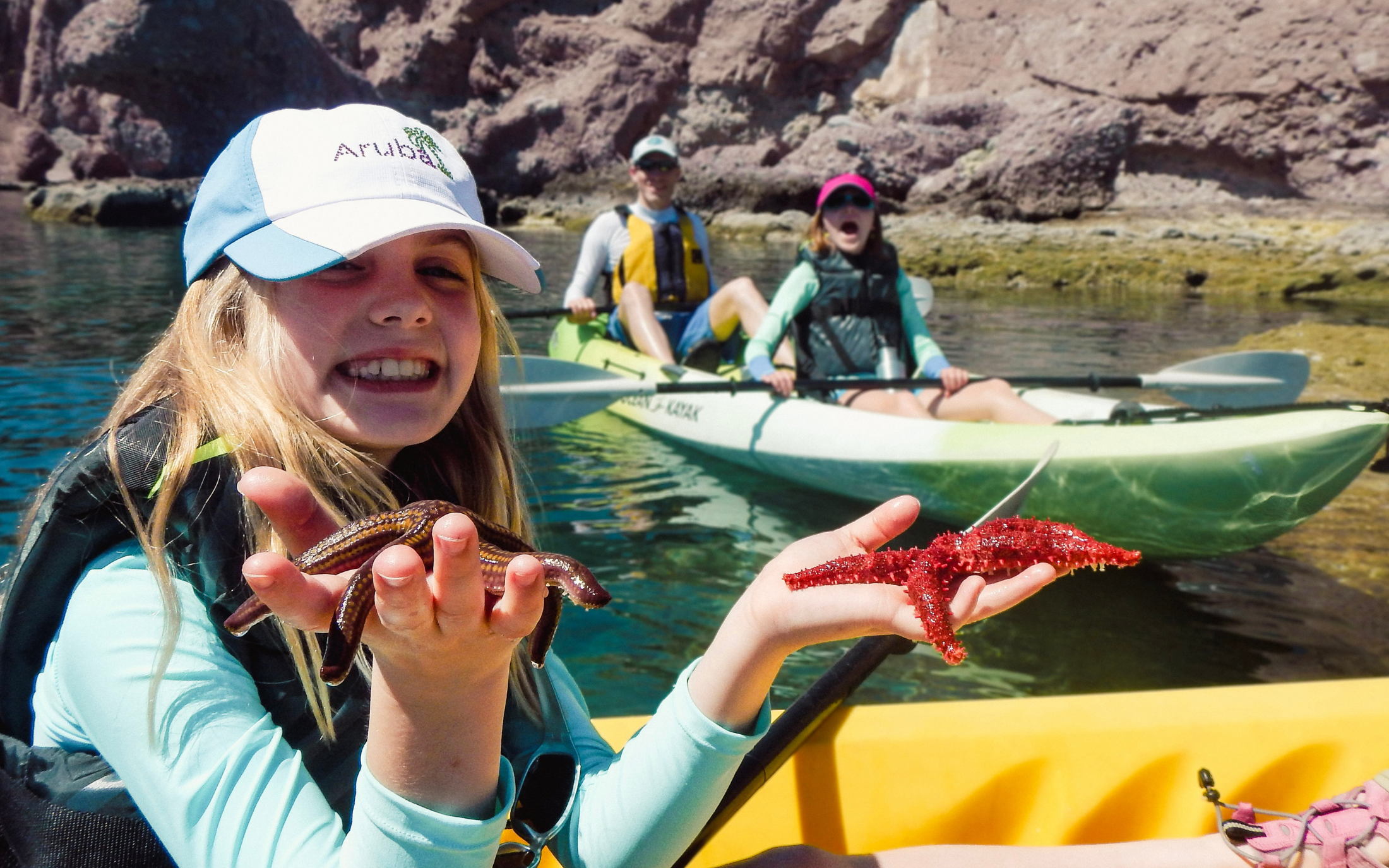
Families in Nature: Baja California’s Whales & Sealife
Route: Roundtrip San Jose del Cabo
Ship: Safari Voyager
Duration: 8 Nights
Price From: $7,400 / Person
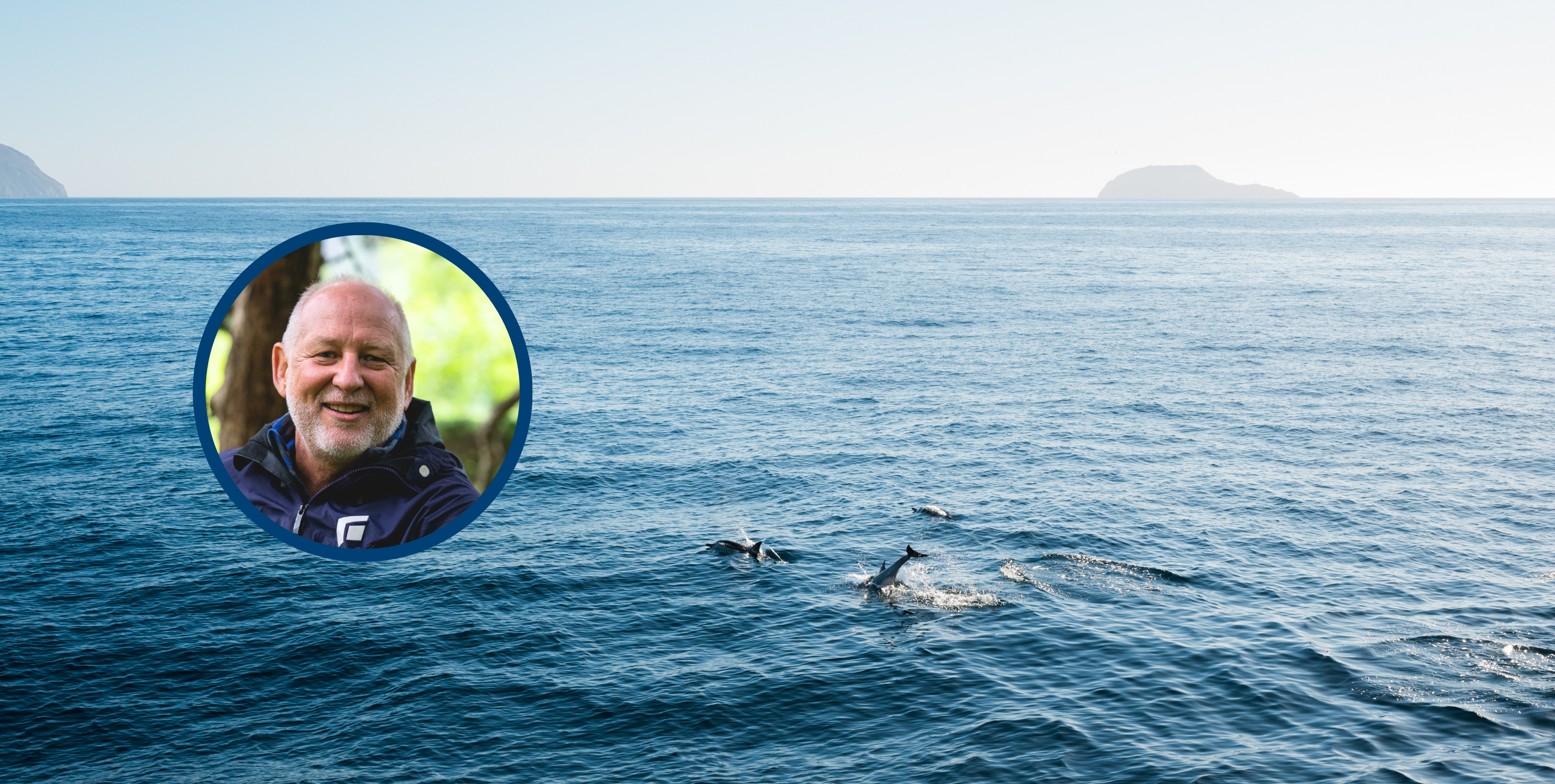
Captain’s Cruise: In Steinbeck’s Wake:
An Epic Voyage Through the Sea of Cortez
Route: Roundtrip San Jose del Cabo
Ship: Safari Voyager
Duration: 11 Nights
Price From: $8,400 / Person
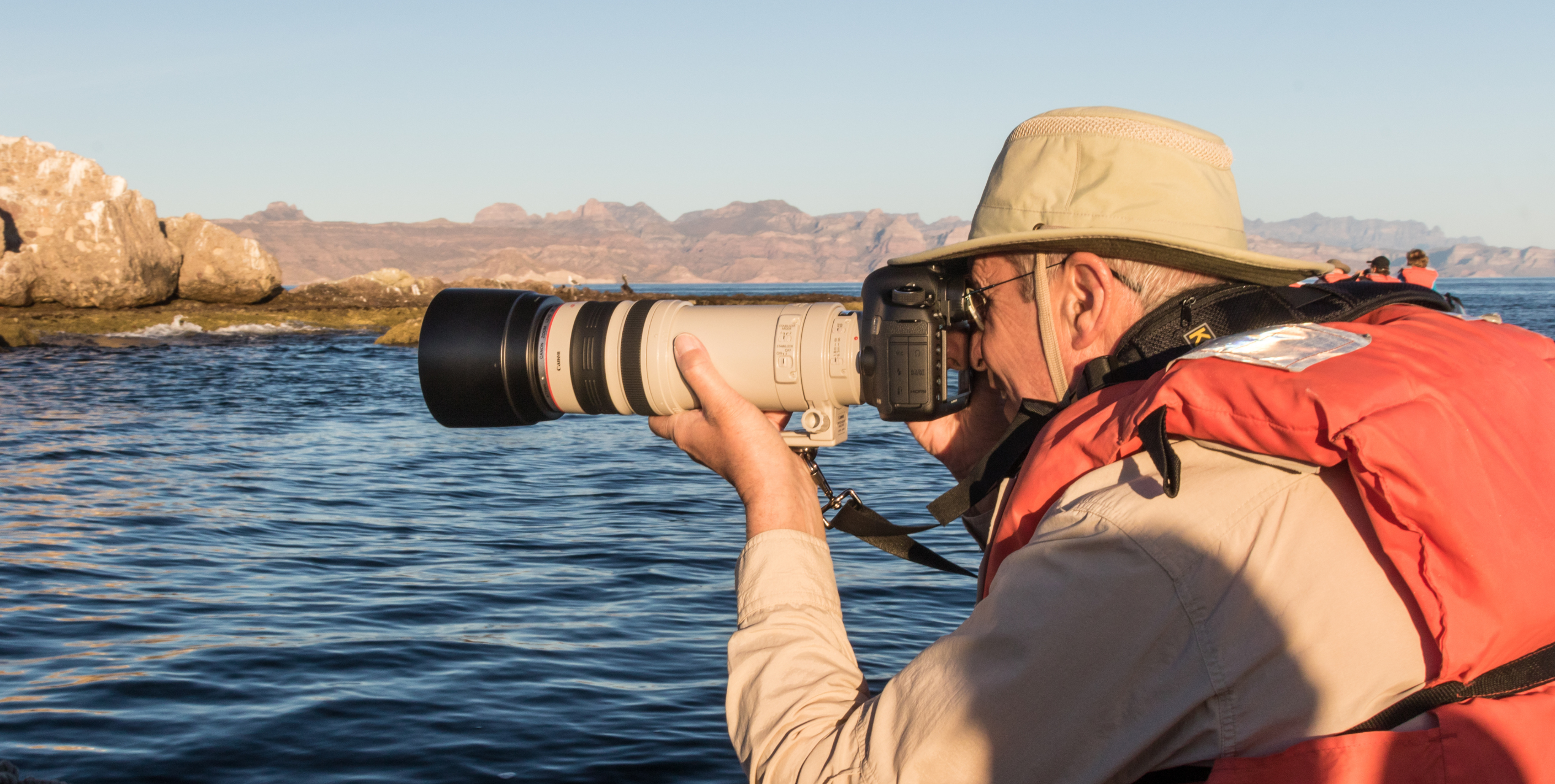
Photography Cruise: Baja California’s Whales & Sealife
Route: Roundtrip San Jose del Cabo
Ship: Safari Voyager
Duration: 8 Nights
Price From: $7,400 / Person