Our final cruise of the season has just departed for a west to east journey through Loch Ness and along the Caledonian Canal. Soon, we will begin preparing the ships for colder weather and looking ahead toward next season.
With Halloween on the horizon, we will examine how Samhain is celebrated in the Hebrides. In keeping with the spooky theme, we will explore the legacy of Scottish-born author Robert Louis Stevenson who wrote the horror favourite Dr Jekyll and Mr Hyde.
Hebridean Halloween

The origins of Samhain in Scotland are largely unknown but most theories point to an idea that the night that separates October 31st and November 1st was a special time when boundaries between our world and “the other world” could be crossed. The Hebrides are rich in Samhain-related traditions and folklore with very specific customs tied to different islands.
The Isle of Lewis features one of the most unique historical Samhain rituals centered around an October 31st offering to the sea god Shony. The practice, which took place as recently as the 17th century, involved every family from the island’s congregation to contribute grain for a brewed ale which one man would pour into the sea at Stoth Bay in exchange for a plentiful supply of seaweed. Nearby, on the Isle of Harris, Samhain is associated with flames. Neighbours compete to build the largest bonfire in an effort to ward off soul-stealing spirits called Sluagh.
South Uist is known for a long-standing participation in Hebridean guising, a predecessor to modern Halloween costumes. The island’s guising tradition was famously documented in 1932 by Margaret Fay Shaw who captured children in raw sheepskins, rope wigs, and hollowed-out sheep skulls during an Oidhche nan Cleas, or Night of Tricks celebration.
The Outer Hebrides Wildlife Explorer: Lewis and Harris

This 10-night cruise wanders through the Northern Outer Hebrides on the outer edge of the Atlantic Ocean. Visit the remote and stunning isles of Lewis and Harris which, despite being usually referred to as separate islands, are in fact connected. This cruise will serve as a lesson in Scottish inland traditions, heritage, and history such as standing stones, brochs, blackhouses, and ancient churches. Shallow, turquoise waters contrast with steep, ragged sea cliffs and mysterious deep sea lochs.
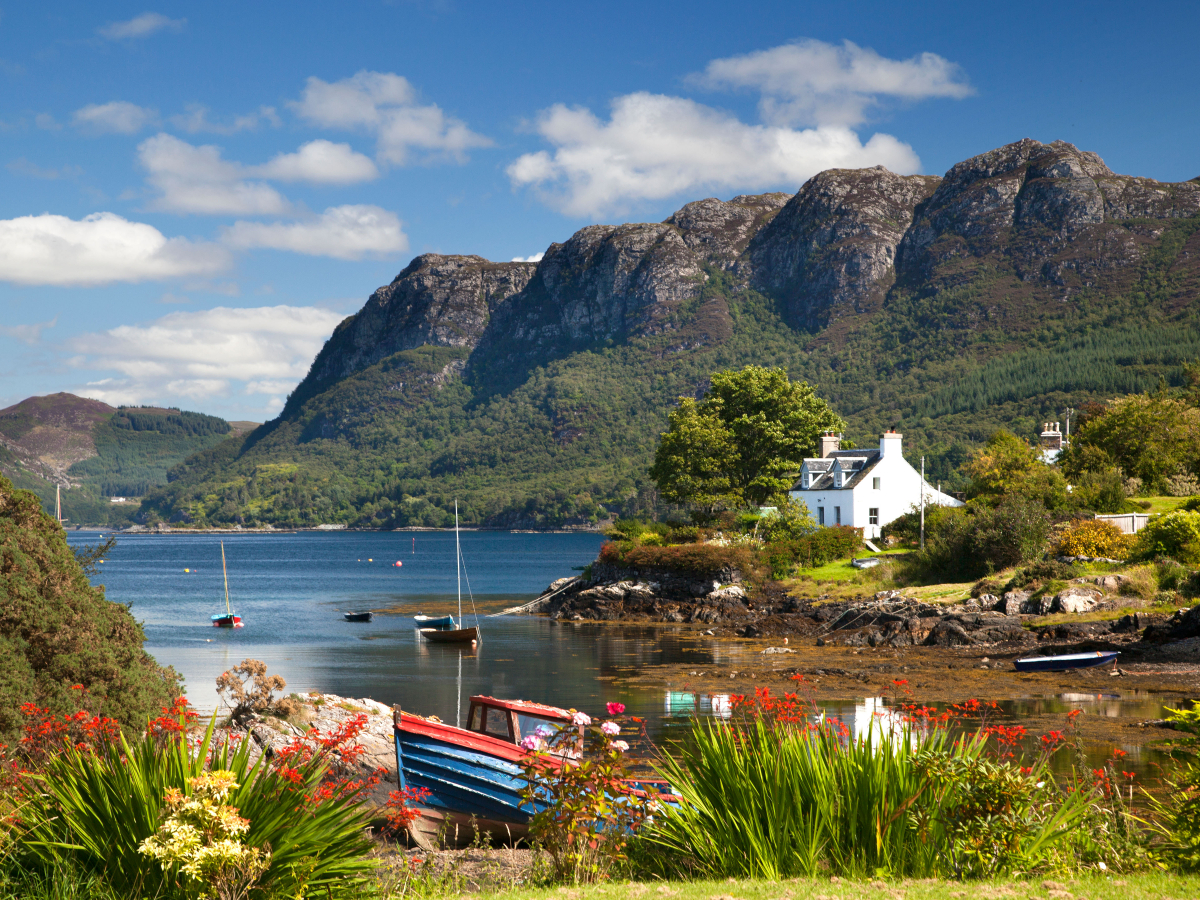
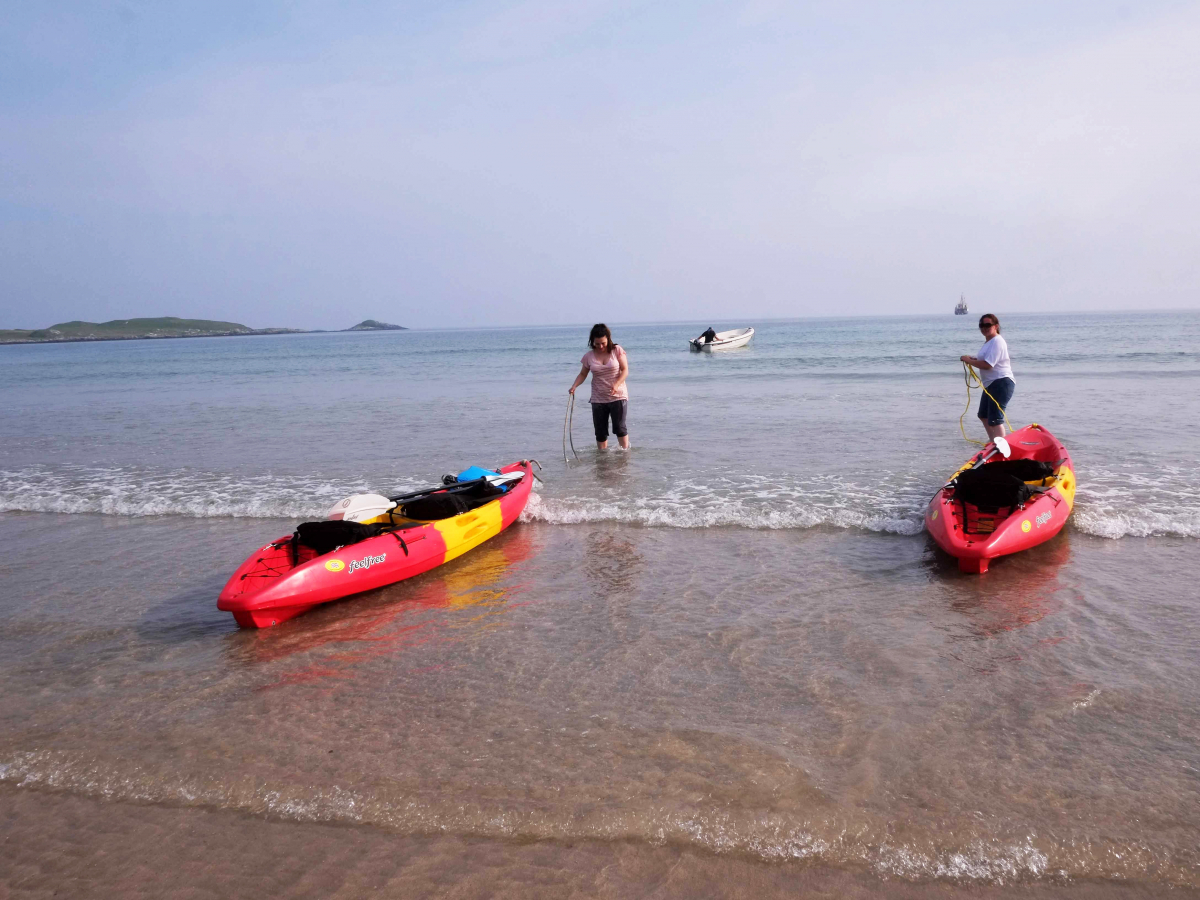
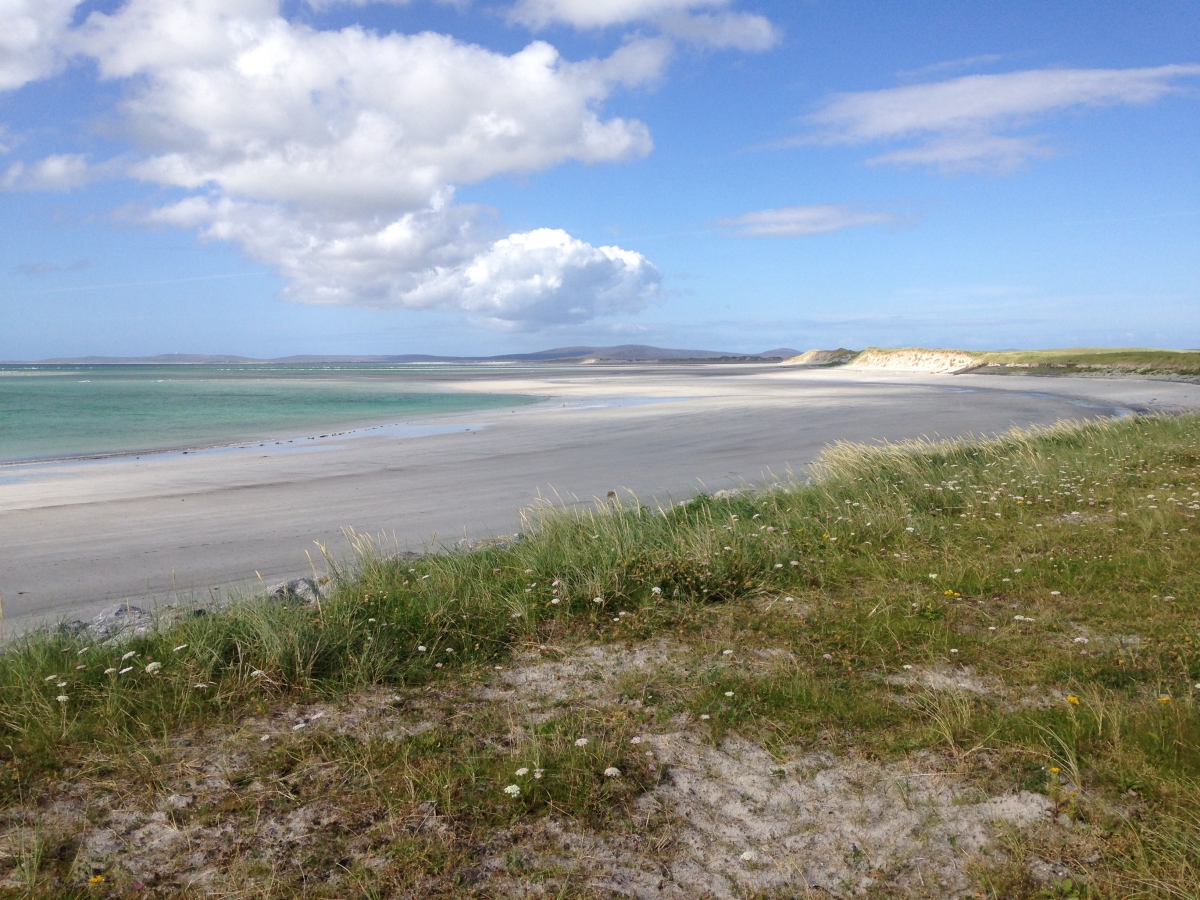
Included in the cost of the cruise is a guided tour to the Callanish Standing Stones and the traditional Arnol Blackhouse, via a spectacular white sandy beach (perhaps the beach of Luskentyre voted one of the top five world’s best beaches – or a similar beach).
Some of the places we may visit are:
Tobermory: One of the most picturesque towns in the Hebridean Isles with its famous whisky distillery and colourful waterfront. You can wander along the streets, visit the delightful local museum, perhaps watch a pipe band, admire the wooden fishing boats and take in the long history of this lovely village.
Canna, the Small Isles: Canna is possibly the most beautiful of all the Small islands. Its 200 metre high cliffs of Compass Hill rise dramatically out of the sea and we have a good chance of seeing both sea and golden eagles. A stroll ashore to see the puffins and wild flower meadows of Sanday’s Machair is a pure delight.
Lochmaddy: Situated on North Uist, Lochmaddy is the island’s main village. The village was probably settled by the Norse and at one time was a base for seventeenth century pirates!
Harris: We will anchor in East Loch Tarbert, an island-studded, wide sea loch. There is a possible anchorage off the scenic isle of Scalpay which joins Harris by a unique bridge. We can organise a visit to the spectacular white sandy beach of Luskentyre, voted one of the top five world’s best beaches. We can then continue on to the fifteenth-century Church of Rodel and finish with a dramatic drive along the famous south-east coast road, known as the Golden Road due to the high cost of its construction!
Lewis: We will travel further North and anchor near Stornoway which is the famous capital of the archipelago of Lewis and Harris. From here we can visit the 5,000 year old, world-famous, Callanish Standing Stones. We can also visit an Iron age house dating back to c. 600 AD which was only recently discovered after a storm. There are also the traditional Arnol Blackhouse and the well preserved Carloway Broch to visit.
Loch Torridon: This loch takes us deep into the breath-taking mountain scenery of North West Scotland.
Plockton: A most picturesque Scottish Highland village with a natural harbour and wonderful views of Loch Carron. This picture postcard village was famously part of the Hamish Macbeth TV series.
Loch Nevis via east coast of Skye: Another spectacular sea loch that runs inland from the Sound of Sleat. Surrounded by mountains and is one of the remotest sea lochs in Scotland. On the way we can plan to visit famous attractions on the east coast of Skye such as the Torabhaig Distillery or Armadale Castle.
Loch Drumbuie: Just south of Oronsay is secluded Loch Drumbuie, situated between the island and the mainland. A squeeze between high sided cliffs and we are in a perfectly sheltered anchorage.
Reasons to book
- Extraordinary wildlife cruises
- Skipper & chef onboard
- Great value for money
- Cruises through Scottish Canals
- Maximum of 11 guests per cruise
- Remote anchorages
- Music, art, photography and whisky cruises
- Hoist the sails onboard St Hilda
- A perfect adventure for all ages
Great trip, wonderful food, beautiful scenery, lovely crew and guests. Lovely boat. Really enjoyed ourselves. Thank you to all.
– Gaynor & David, April 2026